

2025 was a year in which it became clear how closely hygiene, choice of materials and structural precision are linked. Many companies were faced with the task of modernizing their production facilities without interrupting their operations – and were looking for solutions that were robust, audit-proof and also suitable for everyday use.
For FoodTec Buildings, this meant not only installing structural systems, but also developing them in such a way that they meet the increasing requirements for hygiene and process logic. This year has shown how functional architecture can make the difference between smooth processes and daily compromises.
Hygiene and building quality grow together
In many projects, it became clear that the requirements for hygienic interiors have long since gone beyond mere surface issues. Increasingly, the focus was no longer on the individual door or wall cladding, but on the entire room as a hygienic unit: How easy is it to clean? How logically are the zones organized? How safe are the transitions between temperature zones?
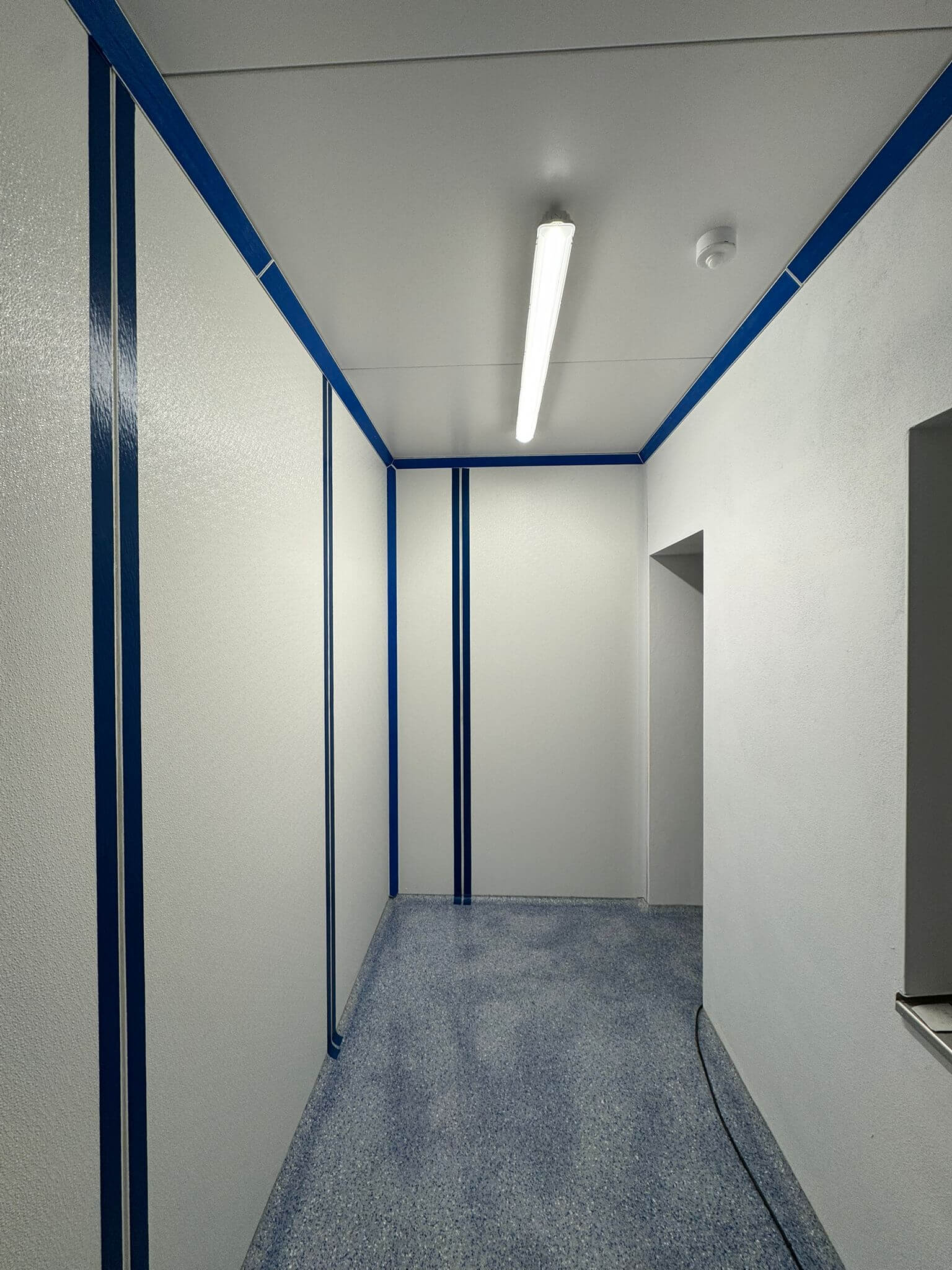
This year, FoodTec Buildings was often in demand where existing structures had reached their limits. The industries – from meat to milk – are developing dynamically, and every structural decision has a direct impact on safety, efficiency and cleaning processes. GRP surfaces, low-joint interior cladding and solid zone dividers not only have a visual or technical function, but have also become building blocks that make day-to-day production noticeably easier.

Three projects that show how precise construction work changes production logic
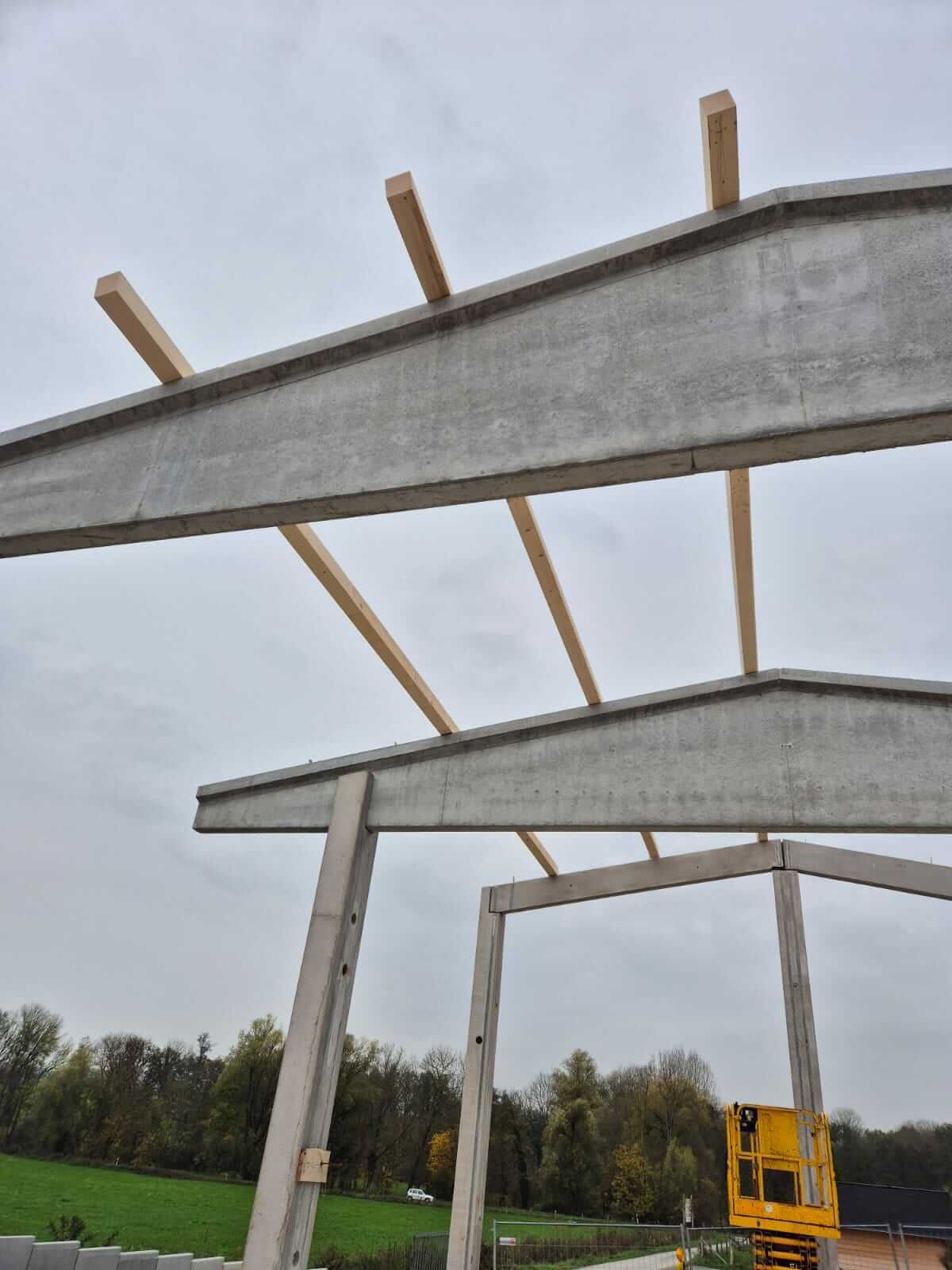
Conversion of existing building with concealed supporting structure
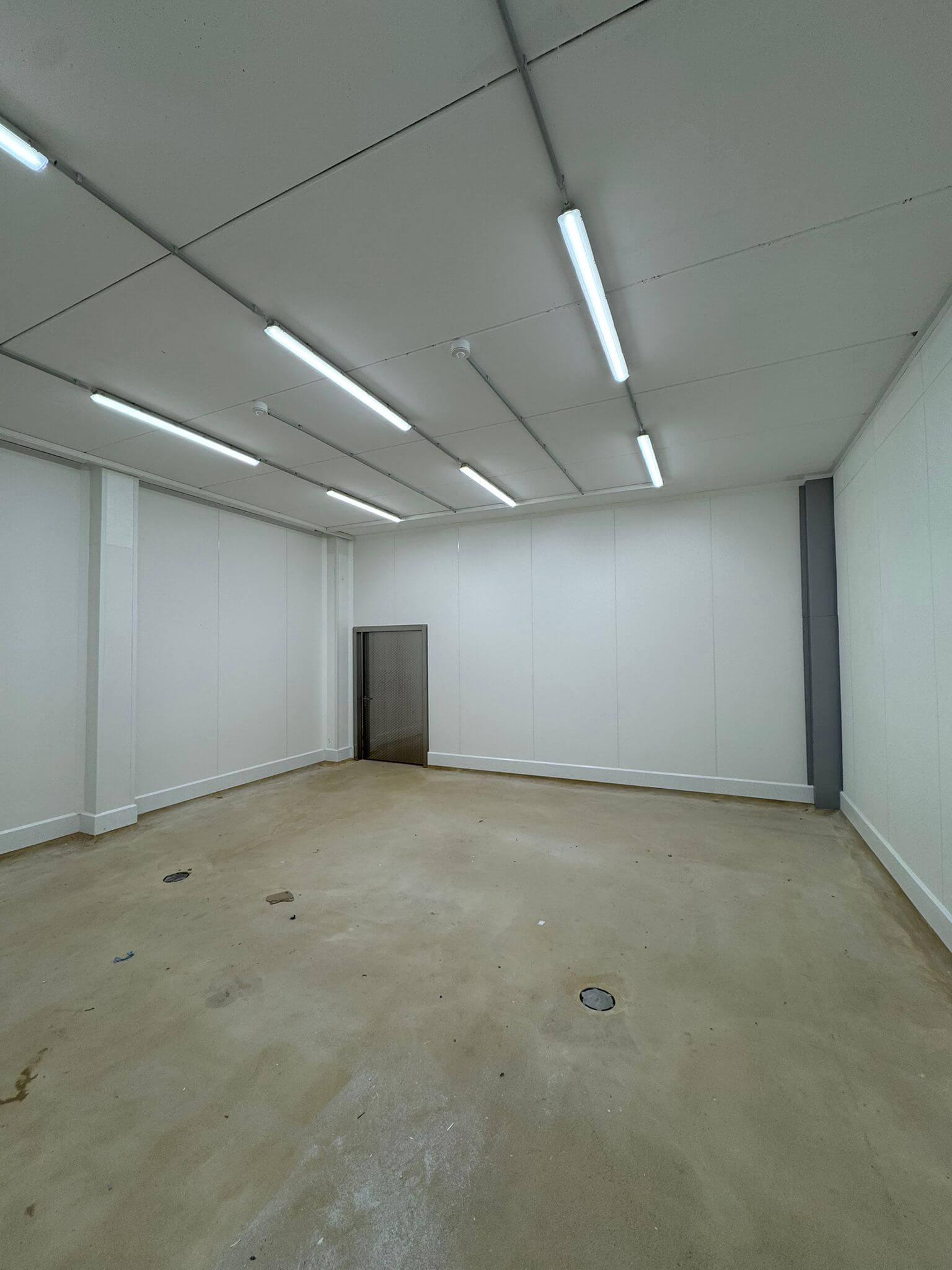
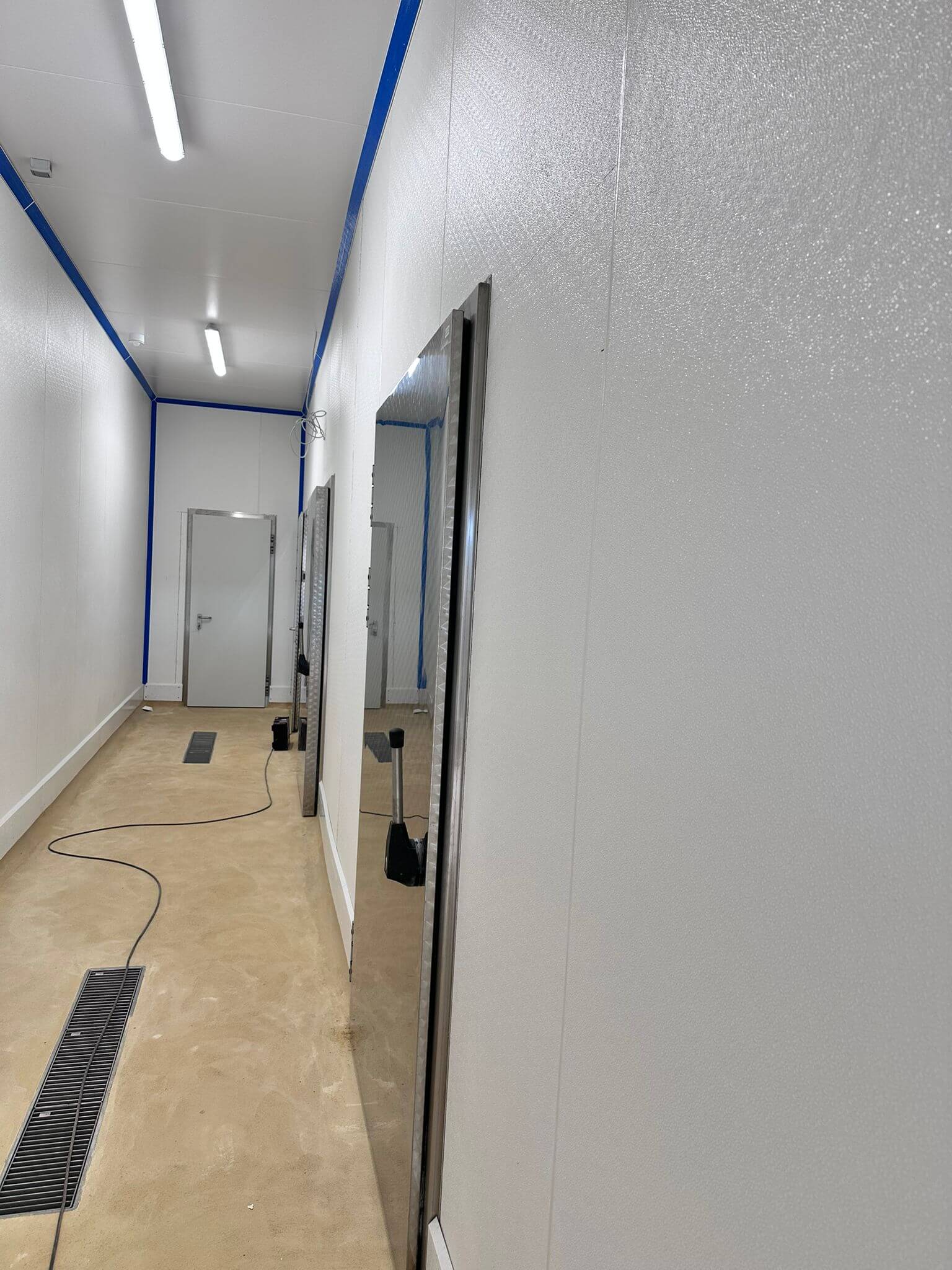
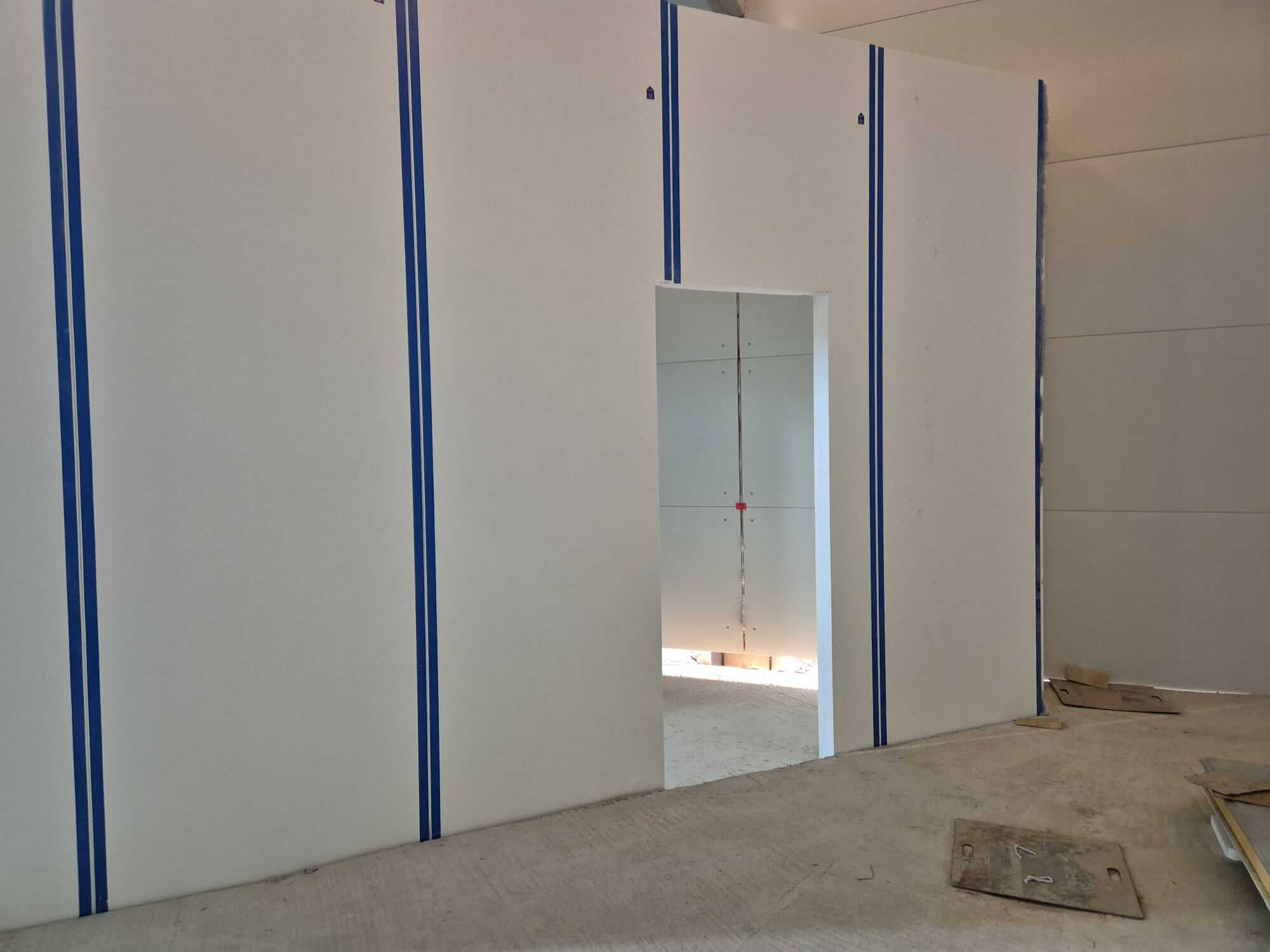
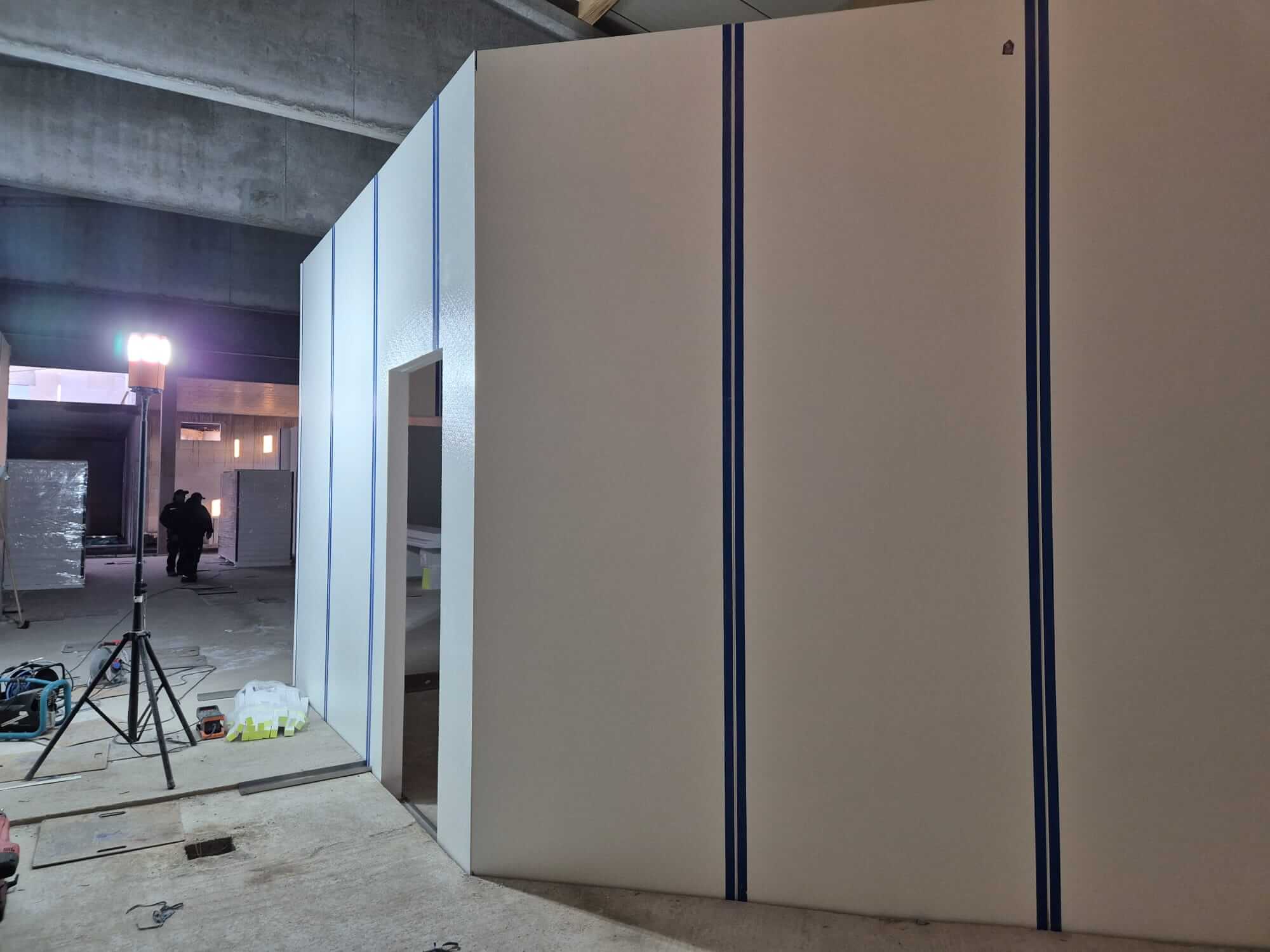
In an existing production building, hardly a centimeter was unused – and yet hygiene, load-bearing capacity and process control had to be redefined. The completely concealed secondary construction for the pipe track required almost surgical precision, in which planning and execution had to mesh seamlessly. The refurbishment of the interior surfaces, the structuring of the functional areas and the redesign of the production axes transformed a difficult building into a modern, bright and audit-proof location.
This project showed how much potential there is even in buildings that at first glance offer little scope for development.

Redesigned delivery for better flow of goods
Delivery situations determine how efficiently a company can work. The existing ramp logic was fundamentally revised in a production company that is characterized by craftsmanship. The conversion to a scissor lift table not only changed the physical structure, but also the entire rhythm of goods movement. Routes were shortened, work processes became safer and transitions could be designed to be hygienically clean.
This project made it clear that structural interventions – even if they seem small on the outside – can have a positive impact on the entire production process
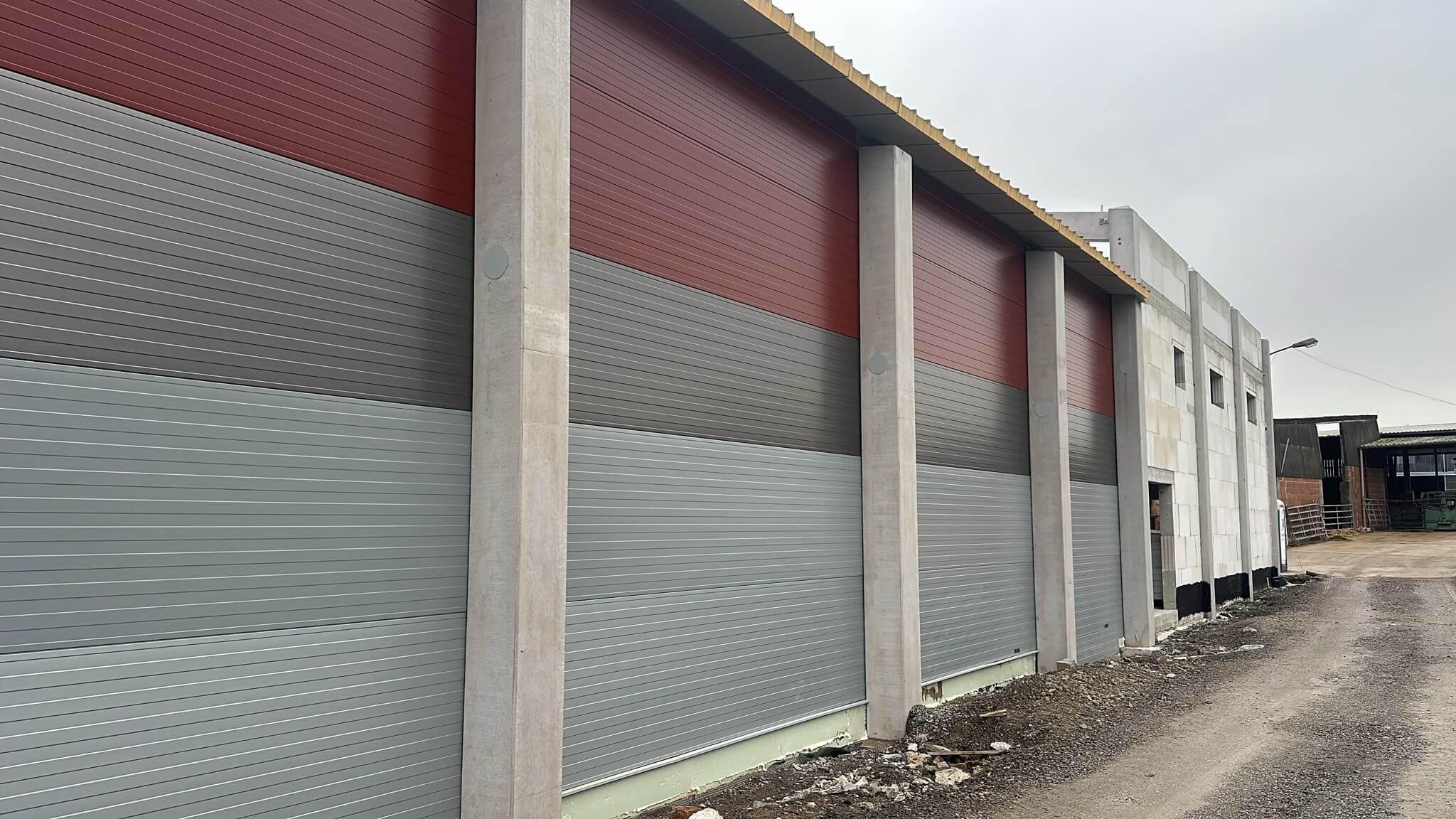
New building in a cramped courtyard situation – hygienic rooms despite a tight envelope
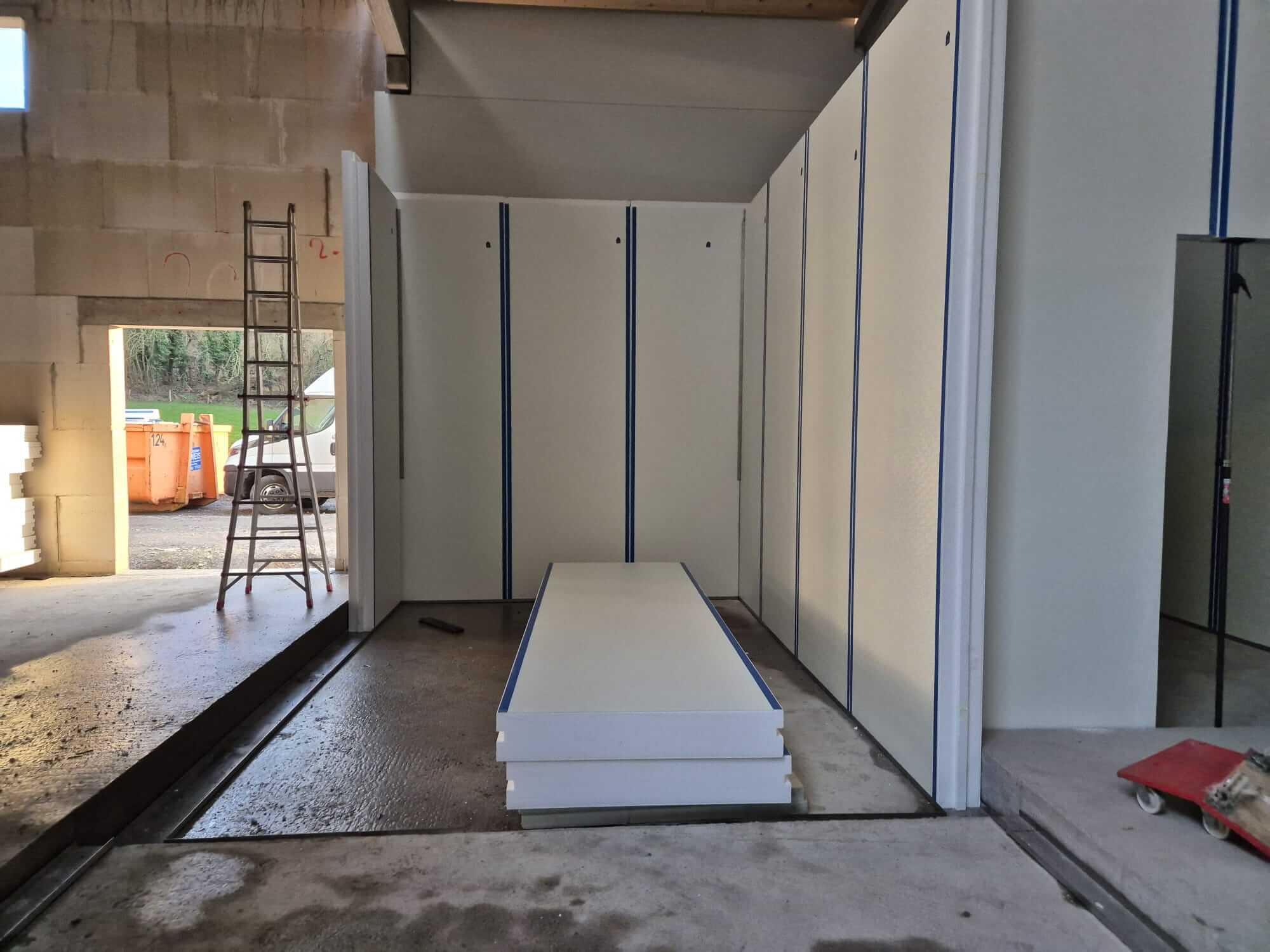
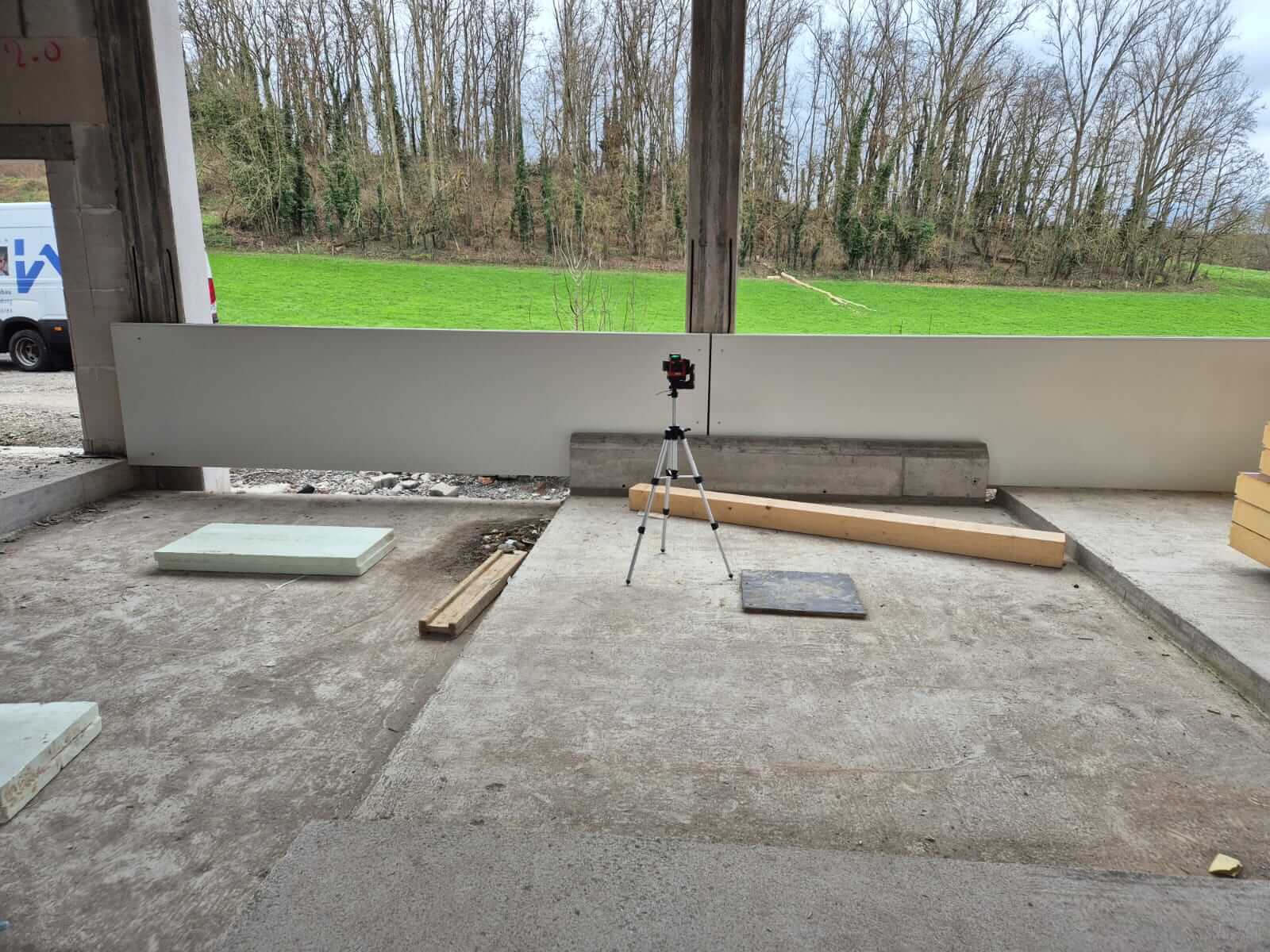
A new building that had to be constructed in a confined courtyard placed special demands on the choice of materials and the construction process. Panel systems, zone separation and interior cladding had to be positioned so precisely that every millimeter counted. The challenge was not only to work structurally, but also to consistently consider hygiene, lighting and cleanability.
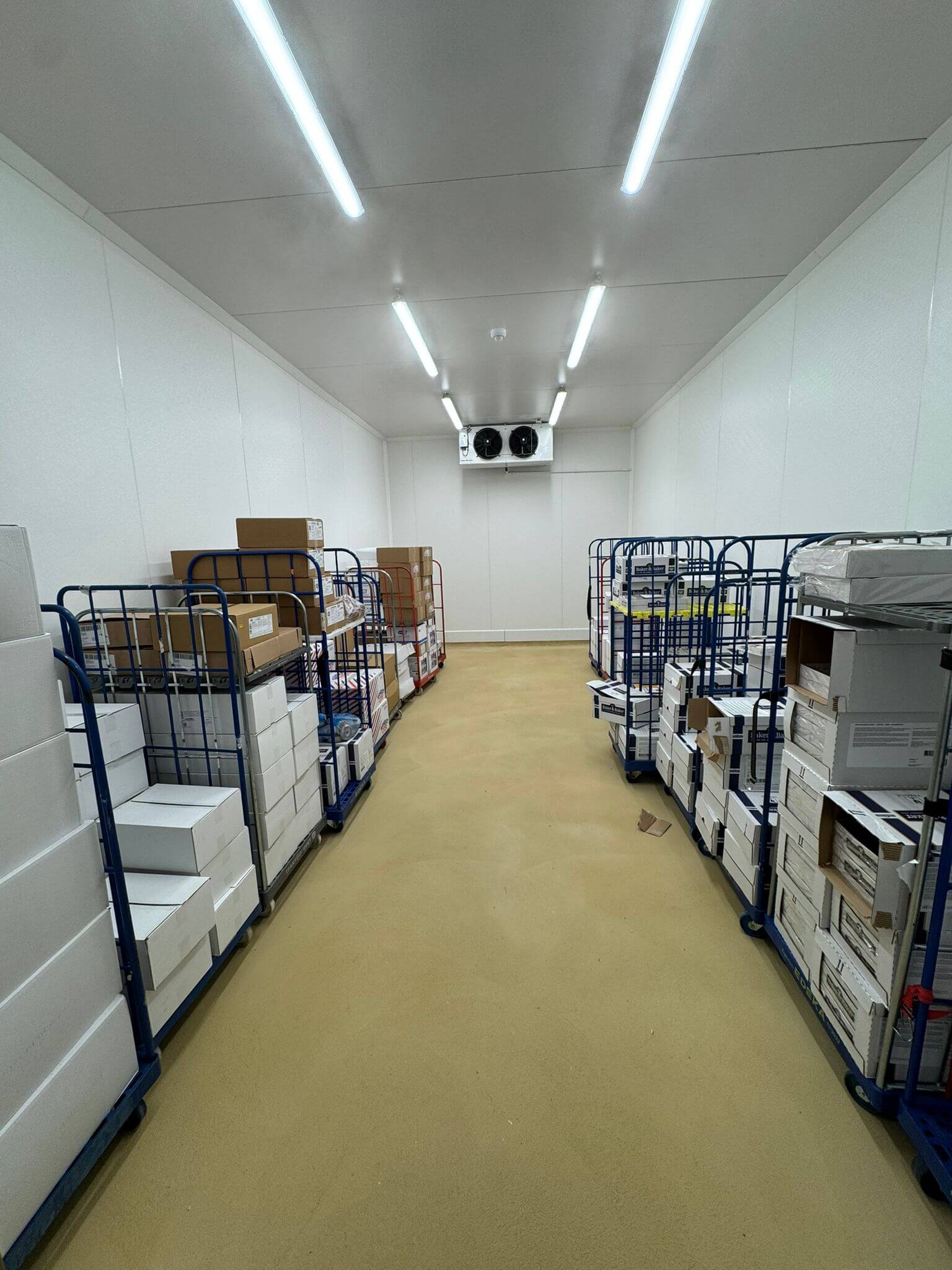
The result was a modern production space that offers a clear structure despite the cramped situation and meets all hygiene requirements – an example of how technical precision can succeed even under difficult conditions.
Material logic as the foundation of food safety
Over the course of the year, it became clearer than ever that robust hygienic systems are the key to long-term investment security.
GRP surfaces have proven to be particularly effective: They are easy to clean, resistant to disinfectants and minimize the risk of bacterial adhesion.
Hygienic doors and insulated doors formed the basis for safe zone changes and helped to clearly separate production areas from one another.
Equally important was the careful execution of the details: seamless transitions, impact-protected wall areas, precisely positioned panels and a material structure that can withstand daily wear and tear. All these elements show that hygiene is not a single product, but the result of a consistently well thought-out system – from the early planning structuring by Schwan Projekt, through the coordinating, overarching perspective of the Wirth Group, to the precise structural implementation by FoodTec Buildings.
Modernization during operation – a competence of growing importance
In 2025, many companies were under pressure to expand or modernize their production without risking downtime. Conversions during ongoing operations therefore became a key issue. For FoodTec Buildings, this meant working particularly carefully and closely with the teams on site: Precise interventions, flexible construction phases and maximum consideration for processes made these projects possible.
This form of modernization will continue to gain in importance in the future because it allows companies to gradually become fit for the future without having to accept economic losses.
Where requirements are heading in 2026
The coming years will be characterized by even greater demands on hygiene, material durability and conversion dynamics. Many companies are modernizing step by step instead of building new facilities. The demand for durable hygienic systems will continue to increase, particularly in meat, milk and cheese processing.
FoodTec Buildings will remain true to its role as a partner that combines structural hygiene with planning logic and creates solutions that stand the test of time.

The Wirth Group says thank you
2025 has shown how important precise construction work is for safe, efficient and sustainable production spaces. FoodTec Buildings looks back with gratitude on the collaboration with teams, partners and customers. If you would like to understand how planning and implementation intertwine within the Wirth Group, you will find further insights in the annual reports of the Wirth Group and Schwan Projekt GmbH.
We are looking forward to a year full of new challenges – and to spaces that make food production safer and more efficient.